Is the Apostle Peter the Author of 2 Peter?

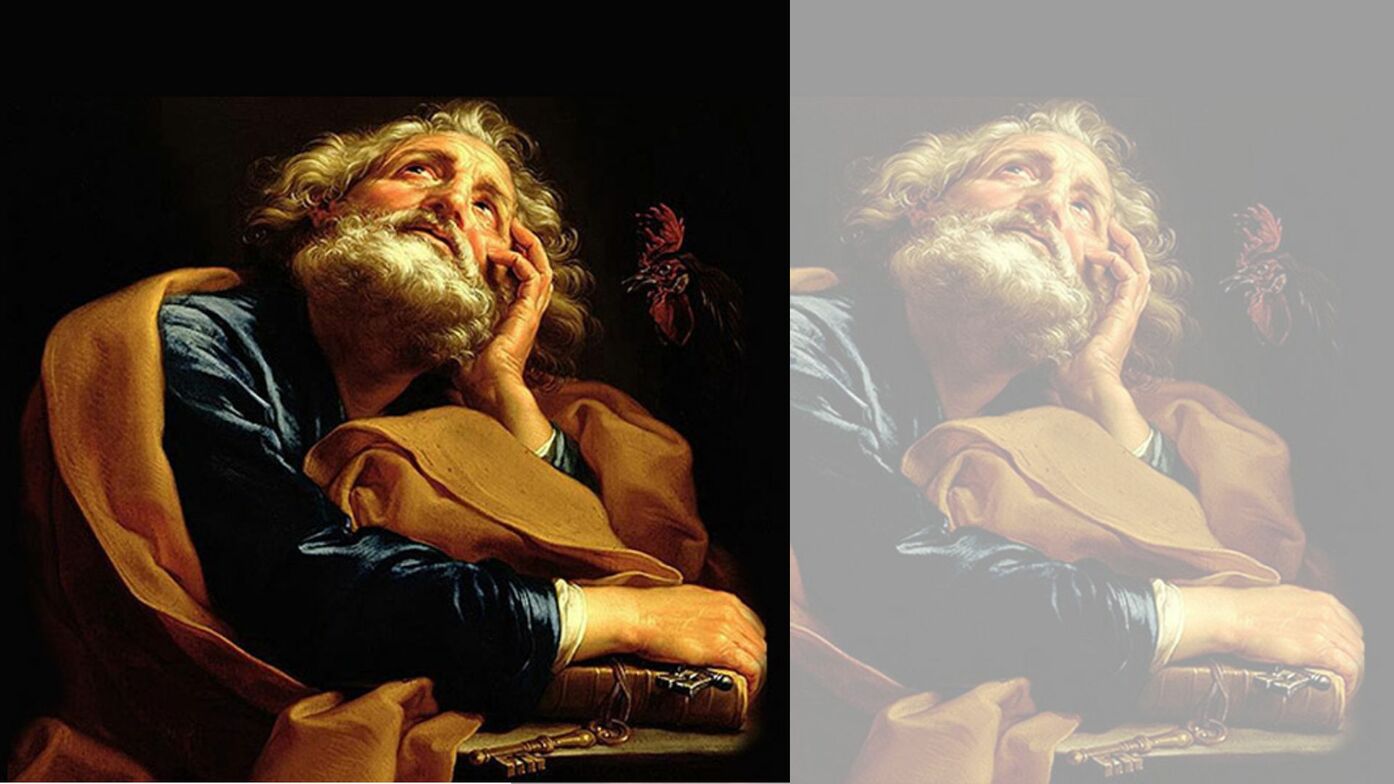
The Lord is not slow to fulfill his promise as some count slowness, but is patient toward you, not wishing that any should perish, but that all should reach repentance. (2 Peter 3:9 ESV)
Are these words part of our Bible? Some have questioned the authorship of 2 Peter, thus questioning its inclusion in the Bible. This article by Darian Lockett (professor of New Testament at Biola University) explores the arguments against the Petrine (actually authored by the Apostle Peter) and concludes that the greater weight of the evidence rests on the side of Peter’s authorship and its rightful inclusion in Scripture. You can read his original article by clicking --> here <--
One of the main arguments against Petrine authorship is that there is a sharp stylistic difference between 1 Peter and 2 Peter. There are 32 words used in 2 Peter that do not occur in any other book of the New Testament – a big deal to biblical scholars for such a short book!
To explain these phenomena, let’s take a look at the roots of Peter. Mark 1:16-20 shows that Andrew, Simon (later renamed Peter), James, and John were called from their family vocation – fishermen. Fishermen were not considered scholars, academically literate, and capable of writing like the religious scribes, government officials, and wealthy class were. That would indicate that Peter probably relied on a scribe to translate his arguments and exhortations into written form. He, more than likely, used two different scribes – one for each epistle. The second scribe was more inclined toward unique words and a higher-minded style than the one used for the first letter. Peter read, understood, and approved both writings. They were both properly considered part of our biblical canon.
When you consider authenticity of a biblical text, you need to examine the letter’s content. If there are outlandish theologies, facts, or errant citations, then you are rightly concerned. In 2 Peter, we see no such strands of stray lightning. What we see in the letter is supported elsewhere in Scripture, either directly or in its general theological warp and woof. In fact, the letter attests to the authenticity of all Scripture as rock-solid and authoritative:
For no prophecy was ever produced by the will of man, but men spoke from God as they were carried along by the Holy Spirit. (2 Peter 1:21)
Instead of containing some new heretical content, it counteracts heresies that were rising at the time of its writing:
Therefore, I intend always to remind you of these qualities, though you know them and are established in the truth that you have. … This is now the second letter that I am writing to you, beloved. In both of them I am stirring up your sincere mind by way of reminder, that you should remember the predictions of the holy prophets and the commandment of the Lord and Savior through your apostles, knowing this first of all, that scoffers will come in the last days with scoffing, following their own sinful desires. (2 Peter 1:12; 3:1-3 ESV)
Therefore, the opening line of the letter rings true:
Simeon Peter, a servant and apostle of Jesus Christ, (2 Peter 1 ESV)
Peter notes that his death is close:
since I know that the putting off of my body will be soon, as our Lord Jesus Christ made clear to me. (2 Peter 1:14 ESV)
Since Peter was martyred in the year 67, this second letter was probably written shortly before. Since it was properly authored, inspired, and canonized, we can rely on it as holy Scripture – for our good and God’s ultimate glory.